A question examined
The Surprising Benefits of Eating Dandelions: Exploring Dandelion Tea Benefits
Explore the surprising benefits of dandelion tea, from aiding digestion to detoxification. Learn how to incorporate this nutritious plant into your diet.

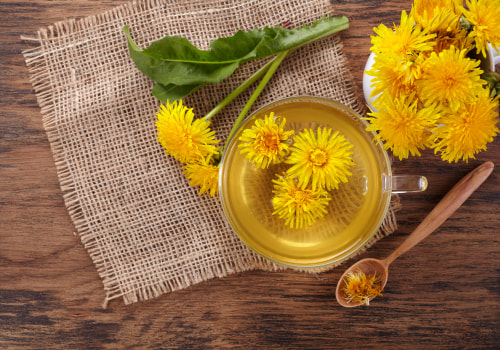
Dandelions, often dismissed as mere weeds, are actually a treasure trove of nutritional benefits that many people overlook. These vibrant yellow flowers, which bloom in abundance across lawns and fields, are not just aesthetically pleasing; they are packed with essential vitamins and minerals that can significantly enhance your health. From their roots to their leaves, every part of the dandelion is edible and offers a unique set of health benefits. One of the most popular ways to enjoy dandelions is through dandelion tea, a soothing beverage that harnesses the plant's remarkable properties. The nutritional value of dandelions is impressive.
They are rich in vitamins A, C, and K, as well as several B vitamins. Additionally, dandelions provide a good source of minerals such as iron, calcium, magnesium, and potassium. This nutrient density makes them an excellent addition to any diet, especially for those looking to boost their intake of natural foods. The leaves can be consumed raw in salads or cooked like spinach, while the roots can be roasted and brewed into a delightful tea. Beyond their nutritional profile, dandelions have been used for centuries in traditional medicine due to their numerous health benefits.
Research suggests that dandelion tea may aid digestion, support liver function, and even help regulate blood sugar levels. The antioxidants found in dandelions also play a crucial role in combating oxidative stress in the body, potentially reducing the risk of chronic diseases. As we delve deeper into the world of dandelions, it becomes clear that these humble plants offer far more than meets the eye.
What Are Dandelions?
Dandelions, scientifically known as Taraxacum officinale, are perennial flowering plants that belong to the Asteraceae family. Often dismissed as mere weeds, these vibrant yellow flowers are actually rich in nutrients and have a long history of use in traditional medicine.Understanding the characteristics and types of dandelions can enhance our appreciation for their numerous health benefits.
Characteristics of Dandelions
- Leaves: Dandelion leaves are deeply lobed and can grow up to 12 inches long. They form a rosette at the base of the plant, which is a distinctive feature. The leaves are often used in salads and herbal teas due to their slightly bitter flavor and high nutritional content.
- Flowers: The bright yellow flowers bloom in spring and can last until fall. Each flower head is composed of numerous tiny florets, which open in the sunlight and close at night or during cloudy weather.
This unique behavior is known as heliotropism.
- Roots: Dandelion roots are thick and taprooted, extending deep into the soil. They can grow up to 10 inches long and are often harvested for their medicinal properties, particularly in herbal remedies.
Types of Dandelions
While there are many species within the Taraxacum genus, the most commonly recognized type is the common dandelion (Taraxacum officinale). However, there are other varieties worth noting:
- Red-Rooted Dandelion (Taraxacum erythrospermum): This type features reddish roots and is often found in more temperate regions. It has similar uses to the common dandelion but may have slightly different flavor profiles.
- Chinese Dandelion (Taraxacum mongolicum): Known for its culinary uses, this variety is popular in Asian cuisine.
It has a milder taste compared to its common counterpart and is often used in stir-fries and soups.
- Western Dandelion (Taraxacum occidentale): Found primarily in North America, this species shares many characteristics with the common dandelion but may vary slightly in leaf shape and flower size.
Nutritional Profile of Dandelions
Dandelions are often overlooked as mere weeds, but they are a treasure trove of essential nutrients that can significantly enhance your diet. Understanding the nutritional profile of dandelions reveals why these plants deserve a place on your plate.Vitamins in Dandelions
- Vitamin A: Dandelions are rich in vitamin A, which is crucial for maintaining healthy vision, skin, and immune function. This vitamin is also a powerful antioxidant that helps combat oxidative stress in the body.
- Vitamin C: Another significant vitamin found in dandelions is vitamin C.
This nutrient plays a vital role in collagen production, wound healing, and enhancing the immune system. It also acts as an antioxidant, protecting cells from damage.
- Vitamin K: Dandelions are an excellent source of vitamin K, which is essential for blood clotting and bone health. Adequate intake of this vitamin can help prevent osteoporosis and support cardiovascular health.
- B Vitamins: Dandelions contain several B vitamins, including B1 (thiamine), B2 (riboflavin), B3 (niacin), and B6 (pyridoxine). These vitamins are important for energy metabolism and maintaining a healthy nervous system.
Minerals in Dandelions
- Calcium: Dandelions provide a good amount of calcium, which is vital for strong bones and teeth.
This mineral also plays a role in muscle function and nerve signaling.
- Iron: The presence of iron in dandelions supports the production of hemoglobin, which carries oxygen in the blood. Consuming dandelions can help prevent iron-deficiency anemia.
- Potassium: Dandelions are high in potassium, an essential mineral that helps regulate blood pressure and fluid balance in the body. It also supports proper muscle and nerve function.
- Magnesium: This mineral is crucial for over 300 biochemical reactions in the body, including energy production and muscle contraction. Dandelions can be a great source of magnesium to help meet your daily needs.
Incorporating dandelion greens or tea into your diet can provide a natural boost to your nutrient intake while supporting various bodily functions.
Health Benefits of Dandelion Tea
Dandelion tea, made from the leaves, roots, or flowers of the dandelion plant, is not only a delightful herbal beverage but also a powerhouse of health benefits. This tea has gained popularity among health enthusiasts for its potential to support various bodily functions, particularly in the realms of digestion and detoxification .Health Benefits of Dandelion Tea
One of the most notable benefits of dandelion tea is its ability to aid digestion. The tea contains compounds that stimulate the production of bile, which is essential for breaking down fats and absorbing nutrients. This can be particularly beneficial for individuals who experience digestive discomfort or bloating after meals.
By promoting healthy bile flow, dandelion tea can help alleviate these symptoms and enhance overall digestive health.
Moreover, dandelion tea is rich in antioxidants, which play a crucial role in protecting the body from oxidative stress. These antioxidants can help reduce inflammation in the digestive tract, further supporting gut health. Regular consumption of dandelion tea may also encourage regular bowel movements, making it a natural remedy for constipation.
Dandelion Tea for Detoxification
In addition to its digestive benefits, dandelion tea is renowned for its detoxifying properties. The diuretic effect of dandelion helps increase urine production, which aids in flushing out toxins from the body.
This can be particularly useful for individuals looking to cleanse their system or support liver function. The liver plays a vital role in detoxification, and dandelion has been shown to enhance liver health by promoting the regeneration of liver cells. Furthermore, dandelion tea may assist in balancing blood sugar levels. Some studies suggest that the compounds found in dandelions can improve insulin sensitivity and help regulate glucose metabolism. This makes it a potentially beneficial drink for those managing diabetes or looking to maintain stable energy levels throughout the day. Incorporating dandelion tea into your daily routine can be an easy and enjoyable way to harness these health benefits.
Whether you enjoy it hot or iced, this herbal infusion offers a refreshing taste along with its numerous advantages for digestion and detoxification.
How to Prepare Dandelion Tea
Preparing dandelion tea is a simple yet rewarding process that allows you to enjoy the numerous health benefits of this often-overlooked plant. Whether you’re using fresh dandelion leaves, roots, or flowers, the preparation methods can vary slightly. Here’s a comprehensive guide on how to make dandelion tea, along with some delicious recipes.Basic Dandelion Tea Recipe
This straightforward recipe uses dried dandelion roots, which are known for their rich flavor and health benefits.- Ingredients:
- 1 tablespoon dried dandelion root
- 2 cups water
- Honey or lemon (optional, for taste)
- Instructions:
- Boil the water in a small pot.
- Add the dried dandelion root to the boiling water.
- Reduce the heat and let it simmer for about 10-15 minutes.
- Strain the tea into a cup, discarding the root pieces.
- Add honey or lemon if desired, and enjoy your warm cup of dandelion tea!
Fresh Dandelion Leaf Tea
If you have access to fresh dandelion leaves, you can make a refreshing herbal tea that is slightly different in flavor.- Ingredients:
- 1 cup fresh dandelion leaves
- 2 cups boiling water
- A pinch of salt (optional)
- Instructions:
- Rinse the fresh dandelion leaves thoroughly to remove any dirt or insects.
- Add the leaves to a teapot or heatproof container.
- Pour boiling water over the leaves and let steep for 5-10 minutes.
- Strain and serve hot. You can add a pinch of salt to enhance the flavor if desired.
Dandelion Flower Tea
Dandelion flowers can also be used to create a delightful tea with a unique taste.Here’s how to prepare it:
- Ingredients:
- 1 cup fresh dandelion flowers (petals only)
- 2 cups water
- Sugar or sweetener (optional)
- Instructions:
- Carefully pick the yellow petals from the dandelion flowers, avoiding any green parts as they can be bitter.
- Add the petals to boiling water and let them steep for about 10 minutes.
- Strain the mixture into a cup and sweeten if desired. This tea has a light, floral flavor that is perfect for warm days!
Incorporating Dandelions into Your Diet
Incorporating dandelions into your diet can be both a delightful culinary adventure and a health-boosting choice. These vibrant plants are not just weeds; they are packed with nutrients and can be used in various dishes. Here are some creative ways to enjoy dandelions beyond the popular dandelion tea.Fresh Salads
Dandelion greens can add a unique flavor to salads.The young leaves are tender and have a milder taste, making them perfect for fresh salads. Combine them with other greens like spinach or arugula, and toss in some nuts, seeds, and your favorite dressing for a nutritious meal. For an extra kick, consider adding sliced apples or pears to balance the bitterness of the dandelion leaves.
Cooking with Dandelions
If you find the taste of raw dandelion greens too bitter, cooking them can mellow their flavor. Sauté dandelion greens with garlic and olive oil for a simple side dish.You can also add them to soups or stews, where they will absorb the flavors of the broth while providing essential nutrients.
Dandelion Pesto
For a twist on traditional pesto, try making dandelion pesto. Blend fresh dandelion leaves with garlic, nuts (like walnuts or pine nuts), Parmesan cheese, and olive oil. This vibrant green sauce can be used on pasta, sandwiches, or as a dip for vegetables.Dandelion Root Coffee
Another way to enjoy dandelions is through their roots. Roasted dandelion root can be brewed into a coffee substitute that offers a rich, earthy flavor without caffeine.Simply roast the cleaned roots until they are dark brown, then grind them and brew as you would regular coffee.
Infused Oils and Vinegars
For those who enjoy experimenting in the kitchen, consider infusing oils or vinegars with dandelions. Place fresh dandelion flowers in a jar and cover them with olive oil or vinegar. Let the mixture sit for a few weeks to develop flavor. This infused oil or vinegar can enhance dressings or marinades. Incorporating dandelions into your meals not only diversifies your diet but also allows you to reap the benefits of eating dandelions.With their high vitamin A content and antioxidant properties, these plants can contribute positively to your overall health. So next time you see those bright yellow flowers in your yard, remember that they are more than just weeds—they're a versatile ingredient waiting to be explored!
Potential Side Effects and Precautions
While dandelions are celebrated for their numerous health benefits, it is essential to be aware of potential side effects and precautions when incorporating them into your diet. Understanding these factors can help you enjoy dandelions safely and effectively.Possible Side Effects of Dandelions
Although dandelions are generally safe for most people, some individuals may experience side effects. Common reactions include:- Allergic Reactions: Some people may be allergic to dandelions, leading to symptoms such as skin rashes, itching, or respiratory issues.
If you have a known allergy to plants in the Asteraceae family, which includes ragweed and chrysanthemums, it is advisable to avoid dandelions.
- Digestive Issues: Consuming large quantities of dandelion greens or tea may cause digestive discomfort, including gas, bloating, or diarrhea. It is best to start with small amounts and gradually increase your intake.
- Interactions with Medications: Dandelions can interact with certain medications, particularly those that affect blood sugar levels or blood thinners. If you are on medication for diabetes or anticoagulants, consult your healthcare provider before adding dandelions to your diet.
Precautions When Consuming Dandelions
To minimize risks associated with consuming dandelions, consider the following precautions:- Source Matters: Always harvest dandelions from areas free of pesticides and chemicals. Urban environments may expose these plants to pollutants that can be harmful if ingested.
- Moderation is Key: As with any food, moderation is crucial.
Overconsumption can lead to adverse effects, so it’s wise to enjoy dandelions as part of a balanced diet.
- Consult a Healthcare Professional: If you have underlying health conditions or are pregnant or breastfeeding, it’s best to consult with a healthcare professional before consuming dandelion products.
Who Should Avoid Dandelions?
Certain individuals should exercise caution or avoid dandelions altogether:- People with Allergies: Those who have allergies to related plants should steer clear of dandelions.
- Individuals on Specific Medications: If you are taking medications that could interact negatively with dandelion compounds, such as diuretics or blood thinners, it’s crucial to seek medical advice before consumption.
Dandelions in Traditional Medicine
Dandelions have a rich history in traditional medicine, with their use dating back centuries across various cultures. Known scientifically as Taraxacum officinale, these vibrant yellow flowers have been utilized for their medicinal properties long before they became synonymous with lawn care woes. In ancient Chinese medicine, dandelions were revered for their ability to promote liver health and improve digestion. The leaves and roots were often brewed into teas or tinctures, believed to help detoxify the body and enhance overall vitality. Similarly, Native American tribes recognized the plant's potential, using it to treat ailments ranging from skin issues to digestive disorders.Traditional Uses of Dandelions
The versatility of dandelions in herbal medicine is noteworthy.Traditionally, different parts of the plant have been employed for various therapeutic purposes:
- Leaves: Rich in vitamins A, C, and K, dandelion leaves have been used as a diuretic to help flush out excess fluids and support kidney function.
- Roots: Dandelion root has been utilized for its potential to stimulate appetite and aid digestion. It is often roasted and ground to create a caffeine-free coffee substitute.
- Flowers: The bright yellow flowers are not only edible but have also been used to make soothing infusions that may help alleviate inflammation.
As more people seek alternatives to conventional medicine, the historical significance of dandelions serves as a reminder of their enduring value. With their rich nutrient profile and potential health benefits, dandelion tea has become a popular choice among herbal enthusiasts looking to harness the power of this humble weed. In conclusion, the traditional uses of dandelions in herbal medicine highlight their importance not just as a culinary ingredient but also as a valuable ally in promoting health and wellness. Embracing these time-honored practices can lead to a deeper appreciation for this often-overlooked plant.
Environmental Benefits of Dandelions
Dandelions are often dismissed as mere weeds, but their ecological significance is profound and multifaceted. These resilient plants play a crucial role in supporting local ecosystems, particularly in their interactions with pollinators.Pollinators and Dandelions
One of the most notable environmental benefits of dandelions is their ability to attract a variety of pollinators, including bees, butterflies, and other beneficial insects.
The bright yellow flowers of dandelions are among the first to bloom in spring, providing an essential food source for pollinators emerging from winter dormancy. This early availability of nectar and pollen is vital for the survival of these insects, which rely on these resources to build their colonies and reproduce.
In fact, studies have shown that gardens and landscapes that include dandelions tend to support higher populations of pollinators. By allowing dandelions to flourish in your yard or garden, you contribute to the health of local bee populations, which are critical for the pollination of many crops and wild plants.
Ecological Role of Dandelions
Dandelions also play a significant role in soil health and ecosystem stability. Their deep taproots can penetrate compacted soil, helping to aerate it and improve drainage.
This natural process enhances soil structure and promotes the growth of other plants by allowing water and nutrients to reach deeper layers of soil. Moreover, dandelions are known for their ability to absorb nutrients from the soil, particularly nitrogen. When they die back at the end of their life cycle, they release these nutrients back into the soil, enriching it for future plant growth. This natural cycle contributes to a healthier ecosystem by promoting biodiversity. Additionally, dandelions can help prevent soil erosion. Their extensive root systems stabilize the soil, reducing runoff during heavy rains and protecting against nutrient loss.
This is particularly important in urban areas where green spaces are limited. In summary, embracing dandelions not only benefits your health through their nutritional value but also supports a thriving ecosystem. By recognizing their ecological importance, we can foster a more sustainable environment that benefits both wildlife and human communities alike.
<strong>Conclusion</strong>
In conclusion, the dandelion tea benefits extend far beyond mere taste; they encompass a wide array of health advantages that can significantly enhance your well-being. As we have explored, dandelions are not just pesky weeds but rather a treasure trove of nutrients and medicinal properties. From their rich vitamin content to their potential in supporting liver health and aiding digestion, dandelions offer a holistic approach to nutrition. Moreover, incorporating dandelion tea into your daily routine can be a simple yet effective way to harness these benefits.The tea is easy to prepare, and its versatility allows it to be enjoyed hot or cold, making it a refreshing addition to any diet. Whether you are looking to detoxify your body, improve your digestion, or simply enjoy a unique herbal beverage, dandelion tea is an excellent choice. Additionally, the environmental impact of embracing dandelions should not be overlooked. By choosing to cultivate and consume these plants instead of eradicating them from our gardens, we contribute positively to local ecosystems. Dandelions provide essential nutrients for pollinators like bees, which are crucial for maintaining biodiversity and supporting our food systems. As you consider adding dandelions to your diet, remember to source them responsibly.
Harvesting from areas free of pesticides ensures that you are consuming the healthiest version of this remarkable plant. Whether you opt for fresh leaves in salads or brew a soothing cup of dandelion tea, you are making a choice that benefits both your health and the environment. In summary, the surprising benefits of eating dandelions and drinking dandelion tea are numerous and impactful. By embracing this often-overlooked plant, you can enhance your nutritional intake while also supporting sustainable practices. So next time you see those bright yellow flowers sprouting in your yard, consider them not as weeds but as valuable allies in your journey toward better health.