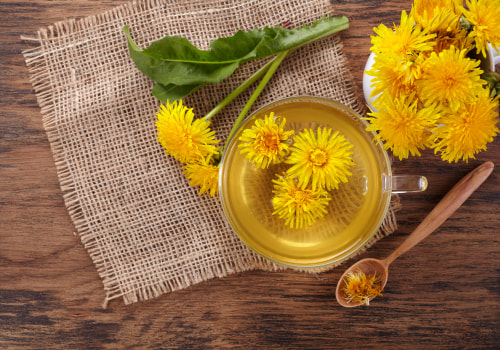
A question examined
Unlocking the Benefits of Dandelion Tea for Bloating Relief
Discover the powerful benefits of dandelion tea for bloating relief and digestive health. Learn how to incorporate it into your routine.

Bloating is a common yet often uncomfortable condition that many individuals experience at some point in their lives. It is characterized by a sensation of fullness or swelling in the abdomen, which can be accompanied by visible distension. This feeling can range from mildly annoying to severely painful, impacting daily activities and overall quality of life. Understanding the underlying causes of bloating is essential for those seeking effective relief, as it can stem from various factors related to diet, lifestyle, and digestive health. One of the primary culprits behind bloating is the consumption of certain foods that are difficult for the body to digest.
Foods high in fiber, such as beans and cruciferous vegetables, while healthy, can lead to gas production during digestion. Additionally, carbonated beverages introduce air into the digestive system, further exacerbating the issue. Other common causes include food intolerances—such as lactose intolerance or gluten sensitivity—which can trigger bloating when specific foods are consumed. Stress and anxiety also play a significant role in digestive health; they can disrupt normal gut function and lead to increased bloating. Moreover, hormonal fluctuations, particularly in women during their menstrual cycle, can contribute to bloating.
This is often due to changes in fluid retention and gastrointestinal motility. As a result, many individuals find themselves searching for effective solutions to alleviate this discomfort. Among the various remedies available, dandelion tea has gained attention for its potential benefits in reducing bloating and promoting digestive health. By understanding what causes bloating and how it affects the body, individuals can take proactive steps toward managing their symptoms. Incorporating natural remedies like dandelion tea into one’s routine may provide a gentle yet effective approach to achieving relief from bloating and enhancing overall digestive wellness.
What is Dandelion and Its Historical Uses?
The dandelion, scientifically known as Taraxacum officinale, is a perennial herbaceous plant that has been revered for centuries for its numerous health benefits.Often dismissed as a mere weed, this vibrant yellow flower has a rich history steeped in traditional medicine across various cultures. Historically, dandelion has been utilized in herbal remedies dating back to ancient civilizations. The Chinese have employed dandelion in their medicinal practices for over a thousand years, using it to treat ailments such as liver disorders and digestive issues. Similarly, Native American tribes recognized the plant's potential, incorporating it into their healing rituals and dietary practices. In Europe, dandelion was commonly used during the Middle Ages. Herbalists valued its leaves and roots for their diuretic properties, believing they could help cleanse the body of toxins and improve overall health.
The leaves were often consumed in salads or brewed into teas, while the roots were roasted and used as a coffee substitute.
Traditional Uses of Dandelion
- Digestive Aid: Dandelion has long been celebrated for its ability to stimulate appetite and aid digestion. Its bitter compounds are thought to promote bile production, which is essential for fat digestion.
- Detoxification: The diuretic properties of dandelion make it an excellent choice for detoxifying the body. By promoting urine production, it helps eliminate excess water and waste products.
- Anti-inflammatory Effects: Dandelion has been used to reduce inflammation in various conditions, including arthritis and skin disorders. Its anti-inflammatory properties can help soothe discomfort and promote healing.
- Nutritional Benefits: Rich in vitamins A, C, K, and several B vitamins, as well as minerals like potassium and calcium, dandelion is a nutrient-dense addition to any diet. Rich in vitamins A, C, K, and several B vitamins, as well as minerals like potassium and calcium, dandelion is a nutrient-dense addition to any diet.
Its versatility allows it to be consumed in multiple forms—whether as a tea, tincture, or supplement—making it accessible for those seeking natural solutions for bloating and other digestive issues. As we delve deeper into the benefits of dandelion tea specifically for bloating relief, it's essential to appreciate the historical context of this remarkable plant. Understanding its traditional uses not only highlights its significance in herbal medicine but also reinforces its value as a natural remedy in contemporary wellness practices.
Nutritional Profile of Dandelion
Dandelion is not just a common weed; it is a powerhouse of nutrition that offers a variety of vitamins and minerals essential for maintaining overall health. Understanding the nutritional profile of dandelion can help you appreciate its role in promoting digestive health and alleviating bloating.Vitamins in Dandelion
- Vitamin A: Dandelion leaves are rich in vitamin A, which is crucial for maintaining healthy vision, skin, and immune function. This vitamin also plays a role in cellular communication and growth.
-
Vitamin C: Known for its antioxidant properties, vitamin C found in dandelion helps protect the body from oxidative stress.
It also supports the immune system and aids in the absorption of iron.
- B Vitamins: Dandelion contains several B vitamins, including B1 (thiamine), B2 (riboflavin), B3 (niacin), and B6 (pyridoxine). These vitamins are vital for energy metabolism, brain function, and the production of red blood cells.
Minerals in Dandelion
- Calcium: Essential for bone health, calcium also plays a role in muscle function and nerve signaling. Dandelion is an excellent plant-based source of this important mineral.
- Iron: Iron is crucial for the formation of hemoglobin, which carries oxygen in the blood. The presence of iron in dandelion can help combat fatigue and improve energy levels.
-
Magnesium: This mineral supports over 300 biochemical reactions in the body, including muscle and nerve function, blood sugar control, and blood pressure regulation.
Dandelion's magnesium content contributes to its overall health benefits.
- Potasium: Dandelion is high in potassium, which helps regulate fluid balance and supports heart health. This mineral is particularly beneficial for those looking to reduce bloating as it aids in flushing out excess sodium from the body.
The Science Behind Dandelion Tea and Bloating Relief
Dandelion tea has gained recognition not only for its delightful taste but also for its remarkable health benefits, particularly in alleviating bloating.Understanding the science behind how dandelion tea works can help us appreciate its role in digestive health. One of the primary mechanisms through which dandelion tea aids in reducing bloating is its potent diuretic properties. Dandelion contains compounds known as taraxasterol and potassium, which stimulate kidney function and promote the excretion of excess water and sodium from the body. This process helps to alleviate water retention, a common contributor to bloating. By flushing out excess sodium, dandelion tea can effectively minimize swelling and discomfort. Moreover, dandelion tea enhances digestion by stimulating the production of bile in the liver.
Bile is essential for breaking down fats and aiding in nutrient absorption. When digestion is efficient, it reduces the likelihood of gas buildup and bloating. The presence of bitter compounds in dandelion also encourages the secretion of digestive enzymes, further supporting a healthy digestive process. Additionally, dandelion's high fiber content plays a crucial role in promoting gut health. Fiber aids in regular bowel movements, preventing constipation—a significant factor that can lead to bloating.
By ensuring that waste is expelled efficiently from the body, dandelion tea helps maintain a balanced digestive system. Furthermore, dandelion tea is rich in antioxidants, which combat inflammation throughout the body. Chronic inflammation can exacerbate digestive issues and contribute to feelings of bloating. By reducing inflammation, dandelion tea not only supports overall health but also specifically targets discomfort associated with bloating. In summary, the science behind dandelion tea's effectiveness in relieving bloating lies in its diuretic properties, ability to enhance digestion, and anti-inflammatory effects. Incorporating this herbal remedy into your routine can provide a natural solution for those seeking relief from bloating and digestive discomfort.
How to Prepare Dandelion Tea for Maximum Benefits
Preparing dandelion tea is a straightforward process that allows you to harness the numerous health benefits of this remarkable plant.Whether you are using fresh dandelion leaves or dried roots, the method of preparation can significantly influence the flavor and potency of your tea. Here’s a step-by-step guide to making the best dandelion tea.
Ingredients Needed
- 1 tablespoon of dried dandelion root or 2 tablespoons of fresh dandelion leaves
- 2 cups of water
- Optional: honey, lemon, or ginger for added flavor
Step-by-Step Preparation
- Boil Water: Start by bringing 2 cups of water to a rolling boil in a saucepan or kettle.
- Add Dandelion: Once the water is boiling, add your dried dandelion root or fresh leaves. If using dried roots, it’s best to crush them slightly to release more flavor and nutrients.
-
Steep: Reduce the heat and let the mixture simmer for about 10-15 minutes. This allows the beneficial compounds to infuse into the water.
For a stronger brew, you can steep for up to 20 minutes.
- Strain: After steeping, strain the tea into a cup using a fine mesh strainer or cheesecloth to remove the plant material.
- Add Flavor: If desired, enhance your tea with honey for sweetness, a squeeze of lemon for acidity, or ginger for an extra kick. These additions not only improve taste but also provide additional health benefits.
- Enjoy: Sip your dandelion tea warm, or let it cool and serve over ice for a refreshing drink.
Tips for Maximum Benefits
To maximize the health benefits of your dandelion tea, consider the following tips:- Use Fresh Ingredients: Whenever possible, use fresh dandelion leaves as they contain more nutrients compared to dried ones.
- Experiment with Blends: Combine dandelion with other herbal teas like peppermint or chamomile to create unique flavors while enhancing digestive benefits.
- Drink Regularly: For optimal results in reducing bloating and promoting digestion, incorporate dandelion tea into your daily routine.
Incorporating Dandelion into Your Diet Beyond Tea
While dandelion tea is a popular choice for those seeking relief from bloating, there are numerous other ways to incorporate this nutrient-rich plant into your daily meals. Dandelion leaves, roots, and flowers can be used in a variety of recipes, enhancing both flavor and health benefits.Using Dandelion Leaves
Dandelion leaves are packed with vitamins A, C, and K, as well as minerals like calcium and iron. Their slightly bitter taste can add depth to many dishes.Here are some creative ways to use dandelion leaves:
- Salads: Fresh dandelion leaves can be a fantastic addition to salads. Combine them with other greens like spinach or arugula for a nutrient-dense base. Add toppings such as nuts, seeds, and a light vinaigrette to balance the bitterness.
- Sautéed Greens: Sauté dandelion leaves with garlic and olive oil for a quick side dish. This method softens their bitterness while retaining their nutritional value.
-
Smoothies: For a health boost, blend dandelion leaves into your morning smoothie.
Pair them with fruits like bananas or berries to mask the bitterness while still reaping the benefits.
Dandelion in Cooking
The roots and flowers of the dandelion plant can also be utilized in various recipes:- Dandelion Root Coffee: Roast dandelion roots until they are dark and fragrant, then brew them as you would coffee. This caffeine-free alternative offers digestive benefits while providing a rich flavor.
- Dandelion Flower Fritters: The bright yellow flowers can be used to make fritters. Dip the flowers in a light batter and fry until golden brown for a unique appetizer or snack.
Potential Side Effects and Considerations
While dandelion tea is celebrated for its numerous health benefits, it is essential to be aware of potential side effects and considerations before incorporating it into your routine.Understanding these factors can help ensure a safe and beneficial experience.
Possible Side Effects
- Allergic Reactions: Some individuals may experience allergic reactions to dandelion, particularly those who are sensitive to plants in the Asteraceae family, which includes ragweed, chrysanthemums, and marigolds. Symptoms may include skin rashes, itching, or respiratory issues.
- Gastrointestinal Distress: Although dandelion tea is often used to alleviate bloating, it can cause digestive discomfort in some people. This may manifest as stomach cramps, diarrhea, or an upset stomach, especially when consumed in large quantities.
- Increased Urination: As a natural diuretic, dandelion tea promotes increased urination. While this can be beneficial for reducing water retention, excessive consumption may lead to dehydration if fluid intake is not adequately maintained.
Who Should Avoid Dandelion Tea?
-
Pregnant and Nursing Women: Pregnant or breastfeeding women should consult their healthcare provider before consuming dandelion tea.
While some studies suggest it may have benefits during pregnancy, the effects are not fully understood.
- Individuals with Gallbladder Issues: Dandelion may stimulate bile production, which could exacerbate conditions like gallstones or other gallbladder-related issues. Those with such conditions should seek medical advice before using dandelion tea.
- People on Certain Medications: Dandelion can interact with various medications, including diuretics, anticoagulants, and medications for diabetes. If you are taking any prescription drugs, it is crucial to consult your healthcare provider to avoid potential interactions.
Safety of Dandelion Consumption
For most people, moderate consumption of dandelion tea is considered safe and can be a valuable addition to a healthy diet. However, it is always wise to start with small amounts to assess your body's response.
If you experience any adverse effects or have concerns about its safety in relation to your health conditions or medications, consulting a healthcare professional is recommended. In summary, while dandelion tea offers many benefits for bloating relief and overall health, being informed about its potential side effects and who should avoid it ensures that you can enjoy its advantages safely.
Frequently Asked Questions About Dandelion Tea and Bloating Relief
As more people seek natural remedies for digestive issues, dandelion tea has gained popularity for its potential to alleviate bloating. Here are some frequently asked questions about dandelion tea and its effectiveness in providing relief from bloating.What is dandelion tea?
Dandelion tea is an herbal infusion made from the leaves, roots, or flowers of the dandelion plant (Taraxacum officinale). Known for its slightly bitter flavor, this tea is rich in vitamins and minerals, making it a nutritious addition to your diet.How does dandelion tea help with bloating?
Dandelion tea acts as a natural diuretic, promoting the elimination of excess water and sodium from the body. This can help reduce swelling and discomfort associated with bloating.Additionally, it stimulates digestion and can aid in relieving constipation, which is often a contributing factor to bloating.
How often should I drink dandelion tea for bloating relief?
For optimal results, consider drinking one to two cups of dandelion tea daily. However, it's essential to listen to your body and adjust your intake based on how you feel. Some individuals may find relief with just one cup, while others may benefit from more frequent consumption.Are there any side effects of drinking dandelion tea?
While dandelion tea is generally safe for most people, some may experience mild side effects such as stomach upset or allergic reactions. If you are pregnant, nursing, or taking medications (especially diuretics), consult with a healthcare professional before incorporating dandelion tea into your routine.Can I combine dandelion tea with other remedies for better results?
Yes! Dandelion tea can be combined with other herbal teas known for their digestive benefits, such as ginger or peppermint.This combination may enhance the overall effectiveness in relieving bloating and improving digestion.
Is dandelion tea suitable for everyone?
While many people can enjoy the benefits of dandelion tea, those with certain health conditions—such as gallbladder issues or allergies to related plants—should exercise caution. Always consult a healthcare provider if you have concerns about adding new herbal remedies to your diet. In summary, dandelion tea offers a natural approach to managing bloating and digestive discomfort. By understanding its benefits and potential side effects, you can make informed decisions about incorporating this herbal remedy into your wellness routine.Conclusion: Embracing Dandelion for Digestive Health
In conclusion, the humble dandelion is far more than just a common weed; it is a potent ally in the quest for digestive health and bloating relief. Throughout this article, we have explored the numerous dandelion tea benefits that make it an exceptional natural remedy.From its diuretic properties that help eliminate excess sodium and water retention to its ability to stimulate digestion and alleviate constipation, dandelion offers a holistic approach to managing bloating. One of the standout features of dandelion is its capacity to promote healthy digestion. By enhancing peristalsis in the intestines, dandelion not only helps prevent constipation but also encourages a smoother digestive process. This is particularly important for those who experience discomfort due to irregular bowel movements or sluggish digestion. Moreover, the anti-inflammatory properties of dandelion can significantly benefit those suffering from joint pain and fluid retention. By reducing swelling around the joints, dandelion tea can provide relief for individuals who find that bloating exacerbates their discomfort.
Incorporating dandelion into your daily routine can lead to noticeable improvements in both digestive health and overall well-being. For those looking to embrace this natural remedy, drinking dandelion tea regularly can be a simple yet effective way to harness its benefits. Whether enjoyed as a warm beverage or iced, dandelion tea can easily fit into your lifestyle. Additionally, fresh dandelion leaves can be added to salads or smoothies for an extra nutritional boost. As we have seen, the benefits of dandelion extend beyond just bloating relief. Its ability to support liver function, enhance appetite, and aid in breaking down carbohydrates makes it a valuable addition to any health-conscious individual’s diet.
So next time you encounter this resilient plant, remember its potential as a powerful tool for improving your digestive health. In summary, embracing dandelion as part of your wellness routine can lead to significant improvements in how you feel. With its myriad of benefits and natural properties, dandelion tea stands out as an effective remedy for bloating and digestive discomfort. Make it a staple in your home and experience the transformative effects it can have on your health.